How to Comp Property and Calculate the After Repair Value (ARV) for Making Wholesale Offers!
Wholesaling is an exit strategy, involves finding distressed properties and assigning your purchase rights!
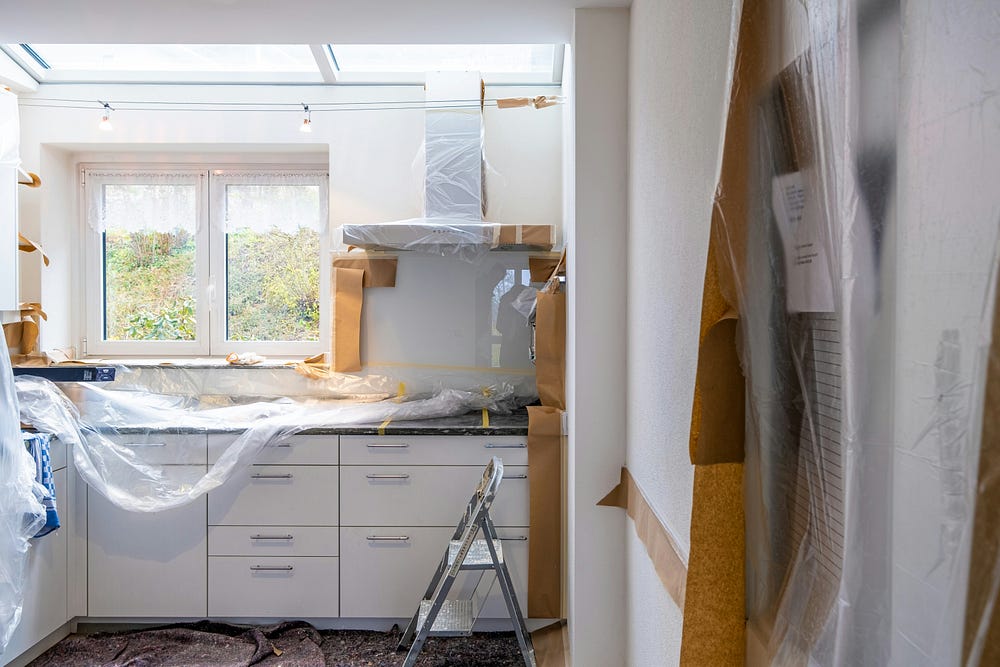
As a real estate wholesale investor, your ability to accurately comp properties and calculate the After Repair Value (ARV) is the cornerstone of crafting profitable offers that attract investors while securing your wholesale fee.
Wholesaling, as an exit strategy, involves finding distressed properties, securing them under contract at a low price, and assigning that contract to an end buyer—typically a fix-and-flip investor—for a fee.
To succeed, you need a reliable system to determine a property’s value and make compelling offers.
Disclaimers!: The Real Estate HUB is a education platform, Furthermore, The Real Estate HUB and its affiliates are not licensed financial advisors or consultants, nor are they lawyers or attorneys at law. The Real Estate HUB is not a licensed real estate broker. Please DYOR and speak to professionals. We claim NO responsibility for any financial investment or legal decisions you make. The Real Estate HUB is an Amazon & Sovrn Commerce affiliate. Some links in this article will take you to Treh.MI favorite products, and we may earn a commission from your purchases at no extra cost to you.

https://medium.com/@TheRealEstateHUB/subscribe
This article will guide you through the process of comping properties, calculating the ARV, and using a proven formula to arrive at your Least Allowable Offer (LAO) to ensure a win-win deal for you and your buyers.
Understanding the After Repair Value (ARV):
The ARV is the estimated market value of a property after it has been fully renovated and brought up to the standard of comparable properties in the area.

For wholesalers, the ARV is the foundation of your offer calculation because it reflects the price a fix-and-flip investor could sell the property for after repairs, which directly impacts their potential profit margin.
To calculate the ARV, you’ll need to analyze comparable sales, or “comps,” which are recently sold properties similar to the subject property in terms of location, size, condition, and features.
The goal is to estimate what the property would be worth in a retail market once it’s fixed up.
Comparing Properties Like a Pro: Accurate comping is both an art and a science.
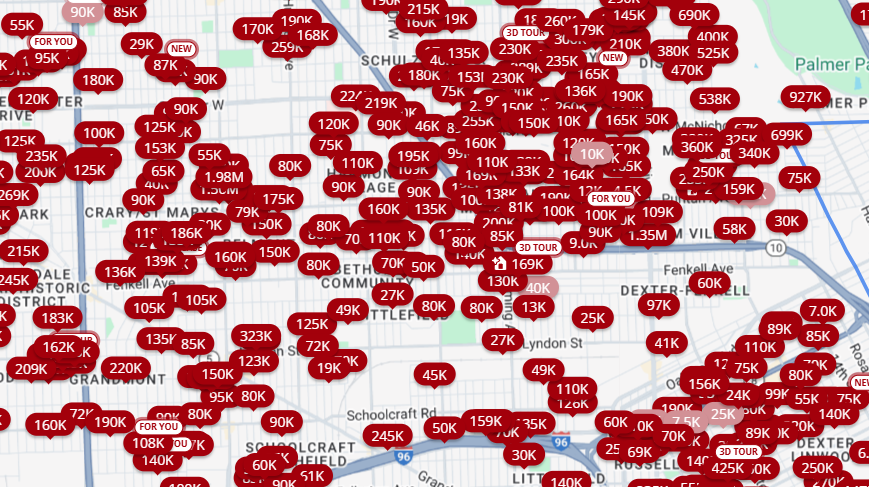
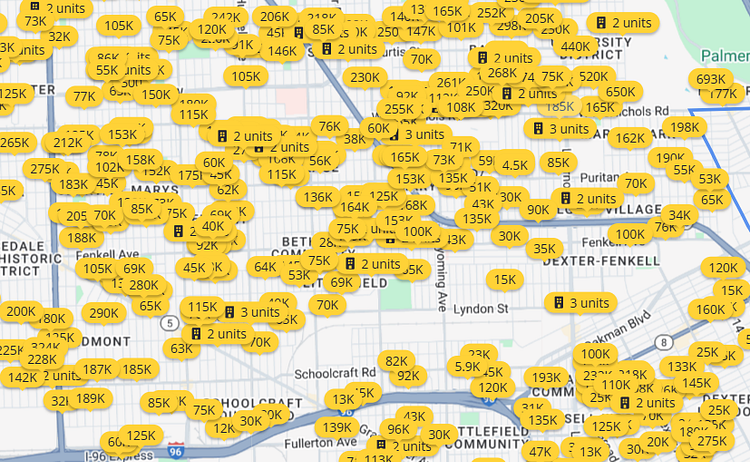
Here’s how to do it effectively.
- Identify Comparable Properties Start by finding properties that closely match the subject property. Focus on these key criteria:
- Location: Look for sales within a half-mile radius of the subject property, ideally in the same neighborhood or subdivision. If the area is rural, you may need to expand the radius to one mile.
- Property Type: Match the property type, for example, single-family homes, condos, or townhouses.
- Size: Compare homes with similar square footage, typically within 10–20% of the subject property’s size.
- Bedrooms and Bathrooms: Ensure the comps have the same number of bedrooms and bathrooms.
- Age and Style: Properties built around the same time or with similar architectural styles are ideal.
- Condition: Since you’re calculating ARV, focus on comps that are fully renovated or in “move-in ready” condition, as this reflects the post-repair state of the subject property.
2. Source Reliable Data: Use trusted platforms to gather comp data:
- Multiple Listing Service (MLS): If you have access through a realtor or broker, the MLS provides detailed and accurate sales data.
- Public Records: Websites like Zillow, Redfin, or county property appraiser sites offer recent sales information.
- Real Estate Software: Tools like PropStream, BatchLeads, or DealMachine can streamline the process by aggregating comp data.
- Local Market Knowledge: Connect with real estate agents, investors, or wholesalers in the area to validate your findings.
Aim to find at least three to five comps that have sold within the last six months. If the market is hot, prioritize sales from the last 90 days to reflect current trends.
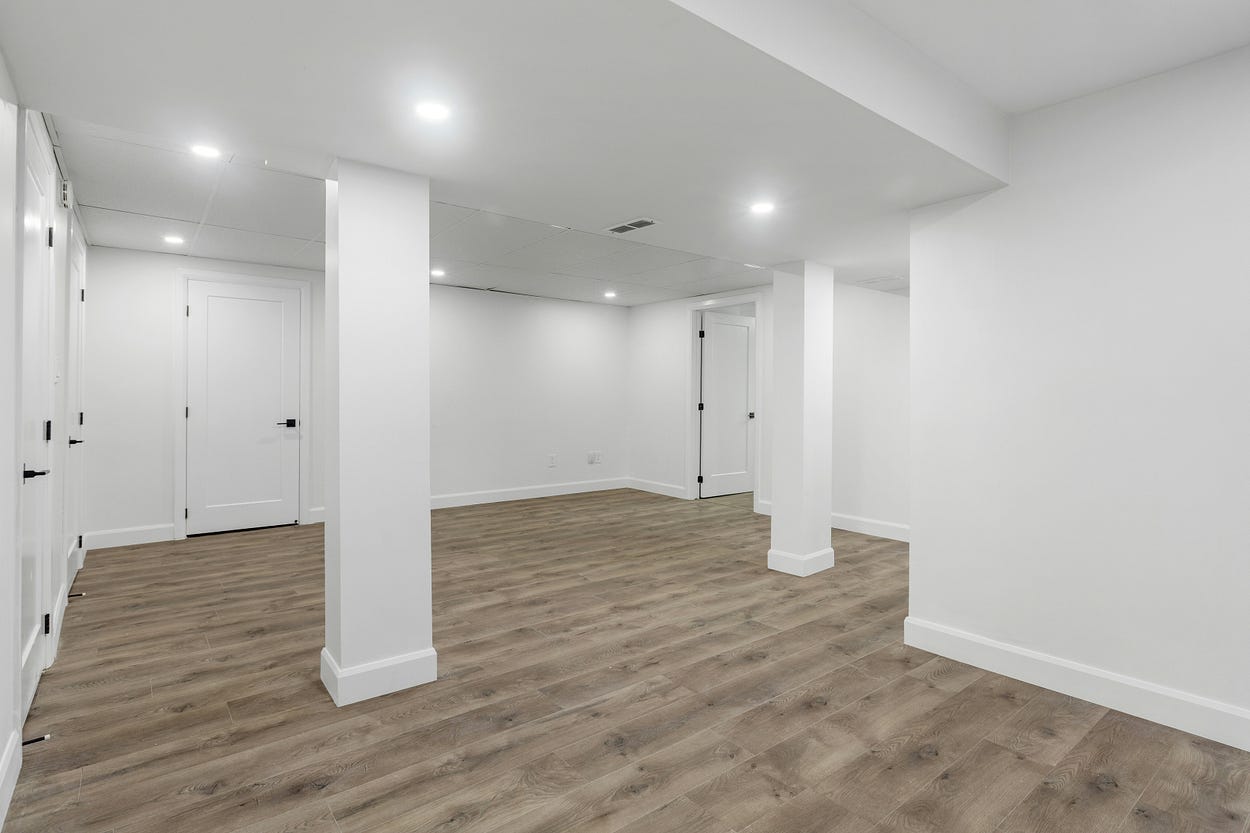
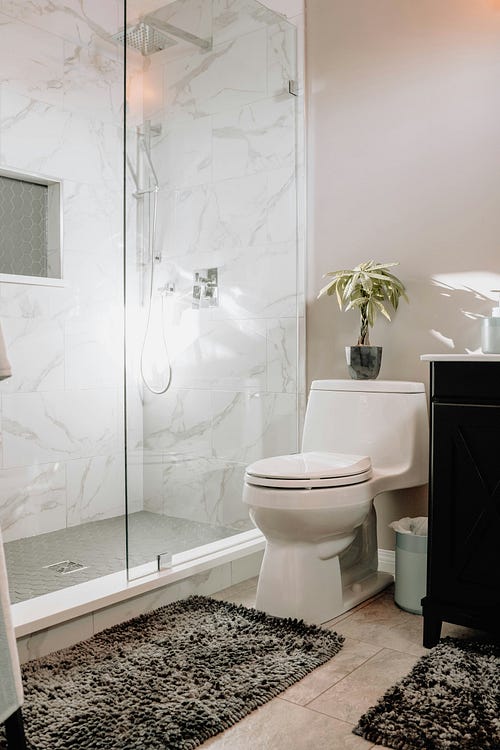
3. Adjust for Differences No two properties are identical, so you’ll need to adjust the comps’ sale prices to account for differences.
For example:
- If a comp has an extra bedroom, subtract value from its sale price to align with the subject property.
- If the subject property will have a renovated kitchen with high-end finishes, add value to account for the upgrade.
- Adjust for lot size, garage spaces, or amenities like pools.
A general rule of thumb is to assign a dollar value per square foot or feature based on local market trends.
For example, an extra bedroom might add $10,000 to the value in your market, or additional square footage might be worth $100 per square foot.
4. Calculate the ARV: Once you’ve adjusted the comps, calculate the average sale price to determine the ARV.
For example, if you find three renovated comps that sold for $280,000, $295,000, and $305,000 after adjustments, the ARV would be ($280,000 + $295,000 + $305,000) ÷ 3 = $293,333 Round this to a practical number, such as $293,000, for simplicity.
Estimating Repair Costs:
To make an offer that works for your end buyer, you need to estimate the cost of repairs required to bring the property to its ARV condition.
This step is critical because it directly affects the investor’s profit margin.
- Conduct a Property Walkthrough: Visit the property to assess its condition. Look for:
- Structural Issues: Foundation cracks, roof damage, or plumbing/electrical problems.
- Cosmetic Repairs: Flooring, paint, kitchen/bathroom updates, or landscaping.
- Major Systems: HVAC, water heater, or electrical panel upgrades.
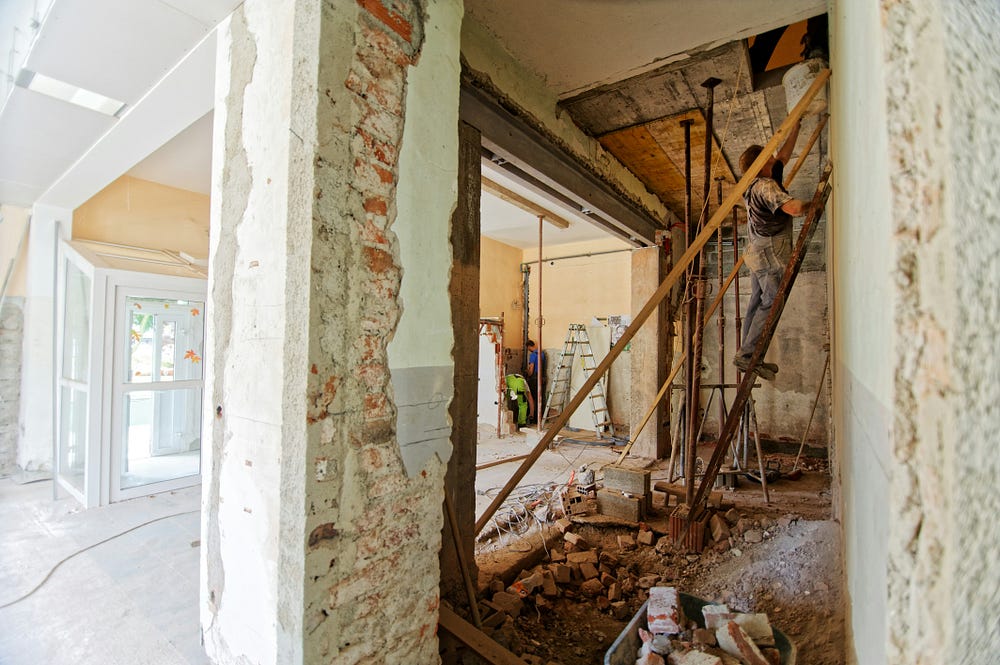
If you’re not experienced in estimating repairs, bring along a contractor or an experienced investor to help.
2. Use a Repair Cost Estimator: Create a detailed list of repairs and assign costs based on local contractor rates. For example:
- New roof: $8,000–$12,000
- Kitchen remodel: $15,000–$25,000
- New flooring: $3–$5 per square foot
- HVAC replacement: $5,000–$8,000
If you’re unsure, use a conservative rule of thumb: $20–$50 per square foot for moderate to extensive renovations, depending on the market and property condition.
3. Pad the Estimate Investors appreciate conservative estimates, so add a 10–20% buffer to account for unexpected issues.
For example, if your initial repair estimate is $30,000, round up to $33,000–$36,000 to be safe.
Calculating the Investor’s Buy Price (IBP):
As a wholesaler, your goal is to offer the property at a price that allows your end buyer—typically a fix-and-flip investor—to make a profit.

A common formula used by wholesalers is IBP = ARV × 0.7 — Repairs. This formula assumes the investor wants a 30% margin (or more) to cover their profit, holding costs, and risks. Let’s break it down with an example:
- ARV: $293,000
- Repairs: $35,000
- Calculation: $293,000 × 0.7 = $205,100 — $35,000 = $170,100
The Investor’s Buy Price (IBP) is $170,100, meaning this is the price at which a fix-and-flip investor could buy the property, complete the repairs, and sell it at the ARV while maintaining a healthy profit margin.
Step 5: Determining Your Least Allowable Offer (LAO)
As a wholesaler, your Least Allowable Offer (LAO) is the lowest price you can offer the seller to make the deal viable for both you and your end buyer, typically a fix-and-flip investor.
The LAO ensures you secure your wholesale fee while keeping the deal attractive for the investor, who will purchase the property at or around the Investor’s Buy Price (IBP).
The formula to calculate the LAO is LAO = (ARV × 0.7 — Repairs) — Wholesale Fee — Closing/Soft Costs.
OR for a better understanding... (ARV x .7—Repairs)—Wholesale Fee—$10k (Soft costs and closing) = LAO.

The Investors Buy Price (IBP) is (ARV x .7 — Repairs) = IBP. Here’s how it works, using the IBP from the previous step:
- ARV: $293,000
- Repairs: $35,000
Step 1: Calculate IBP: $293,000 × 0.7 = $205,100 — $35,000 = $170,100 (Investor’s Buy Price)
- Wholesale Fee: $10,000 (your profit for finding and assigning the deal)
- Closing/Soft Costs: $10,000 (covers title fees, closing costs, and unexpected expenses)
Making the Offer
When presenting your offer to the seller, aim to negotiate slightly below your LAO to give yourself wiggle room.
For example, you might start with an offer of $140,000–$145,000, knowing you can go up to $150,100 if needed.
Be transparent with the seller about your role as a wholesaler and explain that your offer reflects the property’s condition and the costs required to renovate it.
Final Thoughts at The Real Estate HUB
Mastering the art of comping properties and calculating the ARV is essential for real estate wholesalers looking to build a profitable business.
By accurately determining the ARV, estimating repairs, and applying the formula ARV × 0.7 — Repairs — Wholesale Fee — Closing Costs, you can confidently make offers that attract investors while securing your wholesale fee.
With practice, a keen eye for comps, and a solid network of buyers, you’ll be well on your way to closing deals that benefit everyone involved. Happy wholesaling!
Find The Real Estate HUB on Social 👇
- X: The Real Estate HUB / JaceCamMedia
- Youtube: MichiganREIHQ
- Facebook: The Real Estate HUB
- IG: Michigan_REI
- TikTok: Real_MichiganEstates
- Trehmichigan.blogspot.com
Thank you for reading The Real Estate HUB
The Real Estate HUB and its affiliates are not Licensed Financial Advisors, Consultants, nor are lawyers or attorneys at law. The Real Estate HUB is also not a licensed broker. Please DYOR and speak to professionals. We claim no responsibility for any financial or legal decisions you make.
https://medium.com/@TheRealEstateHUB/subscribe


Comments
Post a Comment