Breaking News! Cofey v. Fast Easy Offer District Court of Arizona Court Ruling!
Breaking News! Cofey v. Fast Easy Offer District Court of Arizona Court Ruling!
Case Analysis and Implications for Homeowners and Investors!
In a groundbreaking decision that reshapes the landscape of real estate telemarketing.

The United States District Court for the District of Arizona has ruled in Cofey v. Fast Easy Offer, 2025 WL 1591302 (D. Az. June 5, 2025), clarifying the critical legal distinction between telephone solicitations and offers to purchase property under the Telephone Consumer Protection Act (TCPA).
This article provides an in-depth overview of the case, its background, the legal process, the outcome, and its far-reaching implications for real estate investors and homeowners.
Disclaimers!: The Real Estate HUB is an Amazon & Sovrn Commerce affiliate. Some links in this article will take you to products, and we may earn a commission at no extra cost to you. Furthermore, The Real Estate HUB and its affiliates are not licensed financial advisors or consultants, nor are they lawyers or attorneys at law. The Real Estate HUB is also not a licensed broker. Please DYOR and speak to professionals. We claim no responsibility for any financial or legal decisions you make.

https://medium.com/@TheRealEstateHUB/subscribe
Why did this case even happen?
In Cofey v. Fast Easy Offer, the plaintiff, an individual property owner, received unsolicited telephone calls from Fast Easy Offer (FEO), a real estate investment company.
The calls inquired whether the plaintiff had “given up on selling [their] property.”

The plaintiff alleged that these calls violated the TCPA, which regulates telemarketing and prohibits certain unsolicited calls, particularly those involving the sale of goods or services.
The plaintiff argued that the calls were solicitations because FEO would profit from any eventual property sale, potentially through a fee embedded in the transaction.
FEO countered that their calls were not solicitations under the TCPA, as they were offers to purchase the plaintiff’s property, not attempts to sell a product or service.
This distinction was pivotal, as the TCPA’s restrictions apply to solicitations involving the sale or rental of goods or services to the consumer, not offers to buy property from them.
The case arose from differing interpretations of what constitutes a “telephone solicitation” under the TCPA, with the plaintiff asserting that FEO’s profit motive was akin to soliciting a service.
What happened during this case?
The plaintiff filed a lawsuit in the District of Arizona, alleging that FEO’s calls violated the TCPA.
The court’s analysis centered on whether the calls qualified as “telephone solicitations” under the TCPA, which defines such calls as those made to encourage the purchase, rental, or investment in property, goods, or services.

The plaintiff argued that FEO’s calls were solicitations because they were part of a business model where FEO would profit, potentially through a fee or a reduced purchase price.
The court reviewed the facts and applicable law, focusing on the content of the calls, which specifically asked whether the plaintiff was interested in selling their property.
The court noted that the calls did not involve an offer to sell or rent anything to the plaintiff.
Instead, they reflected FEO’s interest in purchasing the plaintiff’s property, relating to the plaintiff’s potential future selling activity, not FEO selling a service or product.
What happened during the process of this case?
The court’s analysis in Cofey v. Fast Easy Offer hinged on the precise definition of a “telephone solicitation” under the TCPA, as outlined in 47 U.S.C. § 227(a)(4), which describes it as a telephone call or message initiated for the purpose of encouraging the purchase or rental of, or investment in, property, goods, or services.
DNC is officially DEAD! | Massive Win for Wholesale Investors!
The plaintiff argued that FEO’s calls fell within this definition because the company stood to profit from any resulting property sale, for example, through a reduced purchase price that effectively included a profit margin or fee.
The plaintiff contended that this profit motive transformed the calls into solicitations, as FEO’s business model relied on convincing homeowners to sell their properties at terms favorable to the company.
The court, however, rejected this interpretation, emphasizing that the TCPA’s definition of solicitation focuses on the intent to sell or promote goods or services to the call recipient, not the caller’s potential financial gain from the transaction.
The court clarified that FEO’s calls were offers to purchase the plaintiff’s property, which related to the plaintiff’s potential act of selling, not FEO’s attempt to sell a product or service to the plaintiff.
This distinction was critical, as the TCPA does not regulate offers to buy property from consumers, even if the caller benefits financially.
To support its reasoning, the court drew on precedent from cases such as Holt v. Quicken Loans, Inc., 2018 WL 1417707 (D. Ariz. Mar. 22, 2018), which similarly distinguished between solicitations and inquiries about a consumer’s willingness to engage in a transaction benefiting the caller.

The court also referenced Federal Communications Commission (FCC) guidance, which interprets the TCPA as applying to calls promoting sales to the recipient, not negotiations for purchases from them.
The court noted that extending the TCPA to cover offers to buy property would significantly expand the statute’s scope beyond its intended purpose of protecting consumers from unwanted sales pitches.
The plaintiff further argued that FEO’s calls could be construed as solicitations because they were part of a broader service, for example, facilitating a real estate transaction that included an implicit fee or commission.
The court acknowledged the plaintiff’s skepticism about FEO’s profit motive, particularly the possibility of an “effective fee” embedded in the offer price.
However, it found no evidence that FEO was offering a service to the plaintiff, such as listing or marketing the property, which would trigger TCPA liability.
Instead, the calls were straightforward inquiries about purchasing the property, with any profit derived from the transaction occurring after the sale, not as a direct fee charged to the plaintiff.
The court also considered the broader implications of the plaintiff’s argument.
If profit motives alone were sufficient to classify a call as a solicitation, virtually any business outreach, including legitimate purchase offers, could fall under the TCPA’s restrictions.
This would create significant uncertainty for industries like real estate, where direct outreach to property owners is a common practice.
The court expressed sympathy for the plaintiff’s frustration with unsolicited calls but concluded that the TCPA’s language and existing precedent provided a clear legal boundary: calls offering to buy property do not constitute solicitations, regardless of the caller’s financial incentives.
Finally, the court addressed the plaintiff’s reliance on the TCPA’s purpose of protecting consumers from intrusive telemarketing.
While recognizing this goal, the court noted that Congress crafted the TCPA to target specific types of calls, leaving other forms of outreach, such as purchase offers, outside its scope.
The court suggested that any expansion of the TCPA to cover such calls would require legislative action or regulatory clarification from the FCC, not judicial reinterpretation.
The outcome of this lawsuit
On June 5, 2025, the District Court held that FEO’s calls were not telephone solicitations under the TCPA.
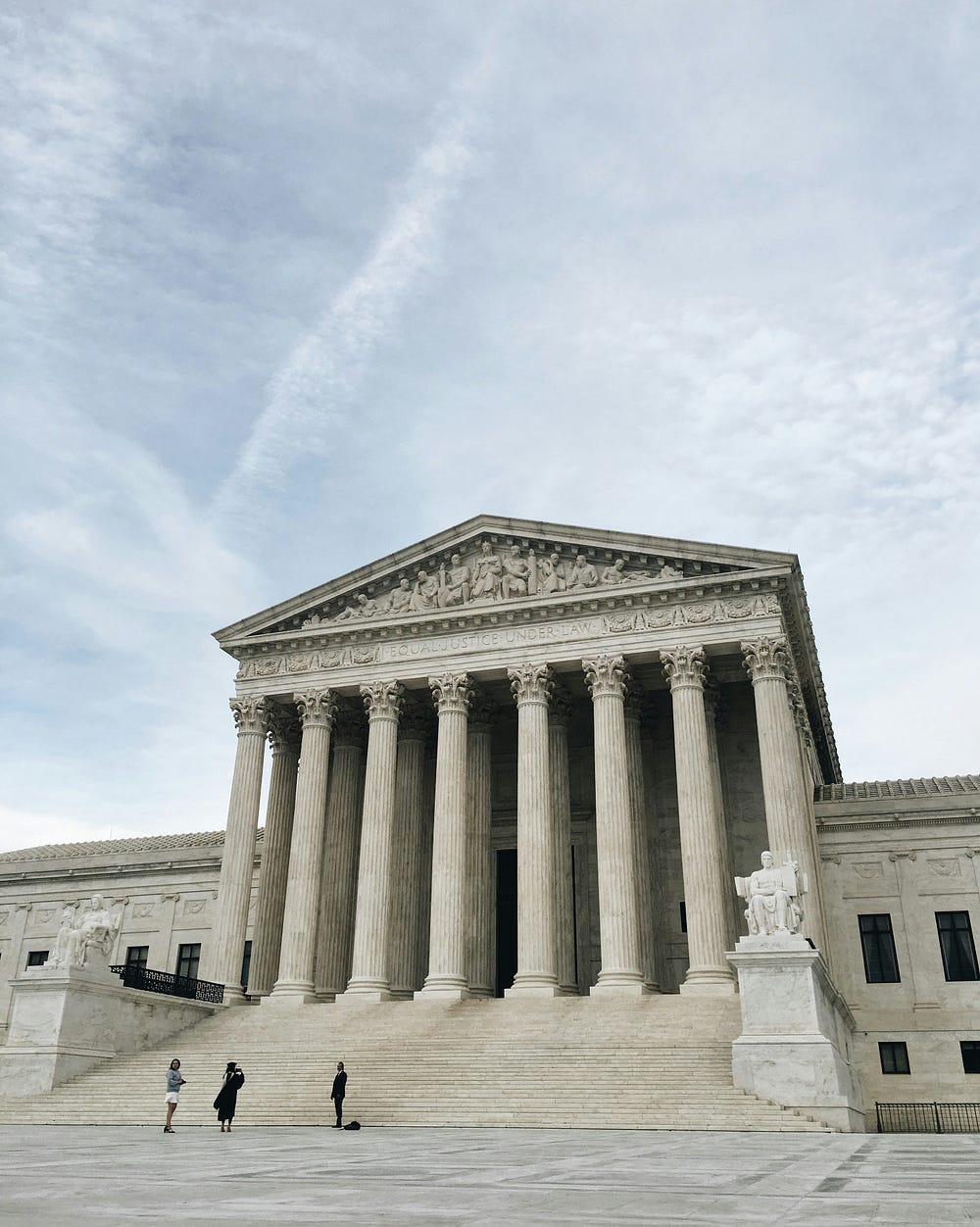
Consequently, the plaintiff’s claims were dismissed, and FEO was not found liable for violating the TCPA.
This ruling reinforced the legal principle that offers to purchase property via cold calls are distinct from solicitations to sell services or goods to consumers.
Implications for Investors
- Expanded Freedom for Real Estate Cold-Calling:
The ruling is a significant victory for real estate investors who rely on cold-calling to identify potential property acquisitions. By clarifying that offers to buy property do not constitute solicitations under the TCPA, the court has provided a legal shield for investors, reducing the risk of TCPA-related lawsuits, which can carry penalties of $500 to $1,500 per violation. - Strategic Advantage in Competitive Markets:
Investors can now pursue direct outreach to homeowners, particularly those with for-sale-by-owner (FSBO) or expired listings, with greater confidence. This is especially valuable in competitive real estate markets, where identifying off-market properties can provide a strategic edge. - Need for Transparency in Fee Structures:
While the court upheld FEO’s practices, it noted concerns about hidden fees embedded in transactions. Investors must ensure that their calls are clearly framed as offers to buy, without implying a service, for example, charging a fee for listing or marketing the property, which could be deemed a solicitation and expose them to TCPA liability. - Potential Regulatory Scrutiny:
Although the ruling favors investors, it may attract attention from regulators or consumer advocacy groups concerned about aggressive cold-calling practices. Investors should stay informed about potential changes to TCPA regulations or state-level telemarketing laws.
Implications for Homeowners
- Increased Cold-Calling Activity:
Homeowners, particularly those with FSBO or expired listings, may experience more unsolicited calls from real estate investors, as the ruling reduces legal risks for such outreach. This could feel intrusive for those not actively seeking to sell. - Need for Vigilance Against Hidden Fees:
The court’s acknowledgment of concerns about effective fees highlights a risk for homeowners. Some investors may offer to buy properties at a reduced price that includes a hidden fee or commission. Homeowners should carefully review offers and seek professional advice to understand the financial implications. - Limited TCPA Protections for Property Purchase Offers:
The ruling clarifies that the TCPA does not protect homeowners from unsolicited calls offering to buy their property. Homeowners may need to rely on tools like the National Do Not Call Registry, though its effectiveness may be limited for non-solicitation calls. Alternatively, they can request that specific companies cease contact or use call-blocking technologies. - Empowerment for Sellers in Distressed Situations:
The ruling may benefit homeowners in distressed situations, for example, those facing foreclosure or needing to sell quickly, by ensuring that investors can reach out with purchase offers. This could provide faster liquidity options for homeowners who might not attract buyers through traditional channels.
Final Thoughts at The Real Estate HUB
The Cofey v. Fast Easy Offer decision marks a pivotal moment for real estate cold-calling practices, affirming that offers to purchase property do not fall under the TCPA’s definition of telephone solicitations.
For investors, this provides legal clarity and freedom to pursue direct outreach, though transparency remains critical to avoid scrutiny.
For homeowners, the ruling may lead to more unsolicited calls, necessitating vigilance to protect their interests.
As the real estate market evolves, both investors and homeowners should stay informed about their rights and obligations under federal and state laws.
This case highlights the tension between consumer protections and business practices in the telemarketing landscape, emphasizing the importance of clear communication in real estate transactions.
Find The Real Estate HUB on Social 👇
- X: The Real Estate HUB / JaceCamMedia
- Youtube: MichiganREIHQ
- Facebook: The Real Estate HUB
- IG: Michigan_REI
- TikTok: Real_MichiganEstates
- Trehmichigan.blogspot.com
Thank you for reading The Real Estate HUB
The Real Estate HUB and its affiliates are not Licensed Financial Advisors, Consultants, nor are lawyers or attorneys at law. The Real Estate HUB is also not a licensed broker. Please DYOR and speak to professionals. We claim no responsibility for any financial or legal decisions you make.
https://medium.com/@TheRealEstateHUB/subscribe


Comments
Post a Comment